



गांधी की गरीबी: मितव्ययिता का अर्थशास्त्र (162)
गांधी की बनाए रखी गई गरीबी उनके सार्वजनिक मितव्ययिता के पीछे की आर्थिक व्यवस्था की पड़ताल करती है। ब्लॉग जमनालाल बजाज, जी.डी. बिड़ला, सेवाग्राम, खादी, चरखा और रेल-व्यवस्था से जुड़े…
Gandhi’s Kept Poverty: The Economics of Austerity (162)
Gandhi's Kept Poverty examines the documented economics behind his public austerity, including Bajaj and Birla patronage, Sevagram, third-class rail travel, khadi, the charkha, and organized logistics. It places Gandhi's poverty…
गांधी का कारागार-निवास — काला पानी नहीं बल्कि आगा खान पैलेस (161)
गांधी का कारागार-निवास नौ अगस्त, 1942 की गिरफ्तारी के बाद आगा खान पैलेस में उनकी इक्कीस महीने की नजरबंदी को सेल्युलर जेल और काला पानी की कठोर परिस्थितियों के साथ…
Gandhi’s Prison Address: Aga Khan Palace Was Not Kala Pani (161)
Gandhi's Prison Address examines his twenty-one-month detention at Aga Khan Palace after the Quit India arrests of 1942 and contrasts it with the punitive Cellular Jail conditions faced by revolutionary…
गांधी द्वारा बोस का निष्कासन: निर्वाचित अध्यक्ष को अलोकतांत्रिक साधनों से हटाया गया — (160)
गांधी द्वारा बोस का निष्कासन 1939 में सुभाष चंद्र बोस की कांग्रेस अध्यक्ष पद पर विजय, गांधी के विरोध, पंत प्रस्ताव, कार्यसमिति संकट और बोस के इस्तीफे का अध्ययन करता…
Gandhi’s Bose Destruction: The Elected President Removed — Through Undemocratic Forces (160)
Gandhi's Bose Destruction examines Subhas Chandra Bose's 1939 Congress election victory, Gandhi's opposition, the Pant Resolution, CWC resignations, Bose's resignation, the Forward Bloc, the INA, and the subsequent Red Fort…
गांधी की पूना संधि: उपवास ने आंबेडकर के पुरस्कार को रोक दिया (159)
गांधी की पूना संधि 1932 के सांप्रदायिक पुरस्कार, दलित वर्ग के अलग निर्वाचन मंडल के विरुद्ध गांधी के आमरण उपवास, आंबेडकर के हस्ताक्षर और संयुक्त निर्वाचन मंडलों में आरक्षित सीटों…
Gandhi’s Poona Pact: The Fast That Blockaded Ambedkar’s Award (159)
Gandhi’s Poona Pact examines the 1932 Communal Award, his fast against separate electorates for the Depressed Classes, Ambedkar’s reluctant signature, and the replacement of separate electorates with reserved seats in…
गांधी का भगत सिंह दबाव: अठारह दिन, एक शर्त नहीं रखी गई (158)
यह लेख गांधी-इरविन समझौते और भगत सिंह की फाँसी के बीच के अठारह दिनों का परीक्षण करता है। इसमें गांधी के राजनीतिक प्रभाव, भगत सिंह की सजा घटाने को शर्त…
Gandhi’s Bhagat Singh Leverage: Eighteen Days, One Condition Not Made (158)
Gandhi's Bhagat Singh Leverage examines the eighteen days between the Gandhi-Irwin Pact and Bhagat Singh's execution, focusing on Gandhi's political leverage, the condition he did not make, Congress's fait accompli,…
गांधी की नेहरू पसंद: पटेल के मत और गांधी का हटाने का अधिकार (157)
गांधी की नेहरू पसंद 1946 के कांग्रेस उत्तराधिकार की प्रलेखित प्रक्रिया का अध्ययन करती है, जिसमें 15 में से 12 प्रांतीय कांग्रेस समितियों ने पटेल का समर्थन किया, जबकि किसी…
Gandhi’s Nehru Choice: Patel Had the Votes, Gandhi Had the Word To Overrule (157)
Gandhi's Nehru Choice examines the documented 1946 Congress succession, where 12 of 15 PCCs supported Patel while none proposed Nehru. It traces Gandhi's intervention, Nehru's rise to Congress president and…
गांधी के कानपुर शहीद: गणेश विद्यार्थी और गांधी की नीतियाँ (156)
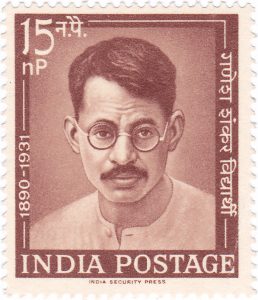
गणेश शंकर विद्यार्थी मार्च 1931 में कानपुर में भड़की सांप्रदायिक हिंसा के बीच स्वयं उतरे और हिंदू तथा मुस्लिम दोनों समुदायों के लोगों को बचाने का प्रयास किया। 25 मार्च…
Gandhi’s Kanpur Martyr: Ganesh Vidyarthi And Gandhi’s Policies (156)
Ganesh Shankar Vidyarthi walked into the communal violence that engulfed Kanpur in March 1931, rescuing people from both Hindu and Muslim communities before he was killed on March 25. Gandhi…
गांधी का कोहाट उपवास: सांप्रदायिक हिंसा पर उपवास — बिना परिणाम के (155)
गांधी का कोहाट उपवास सितंबर 1924 की कोहाट हिंसा, 3,500 हिंदुओं और सिखों के विस्थापन तथा 21 दिन के गांधी उपवास की पड़ताल करता है। एकता सम्मेलन और शांति प्रस्ताव…
Gandhi’s Kohat Fast: The Fast on Communal Violence — With No Outcome (155)
Gandhi’s Kohat Fast examines the 1924 Kohat riots, the expulsion of 3,500 Hindus and Sikhs, and Gandhi’s 21-day fast at Maulana Mohammad Ali’s home. It follows the Unity Conference and…
गांधी का मोपला गणित: हिंसा से निपटने के अलग-अलग मानदंड (154)
गांधी का मोपला गणित मोपला विद्रोह, जलियांवाला बाग और चौराचौरा में गांधी की प्रमाणित प्रतिक्रियाओं की तुलना करता है। लेख हिंदू मृत्यु, जबरन धर्मांतरण, सांप्रदायिक हिंसा, पुलिस मृत्यु, आंदोलन स्थगन,…
Gandhi’s Moplah Calculus: The Different Standards For Handling Violence (154)
Gandhi's Moplah Calculus compares his documented responses to the Moplah rebellion, Jallianwala Bagh, and Chauri Chaura. The blog examines Hindu deaths, forced conversions, communal violence, police deaths, movement suspension, Gandhi's…
गांधी की लंदन सभा: दूसरी गोलमेज सभा — भारत का प्रतिनिधित्व किसने किया? (153)
गांधी की लंदन सभा में सितंबर 1931 की दूसरी गोलमेज सभा, गांधी का कांग्रेस के अखिल भारतीय प्रतिनिधित्व का दावा, बी. आर. आंबेडकर की पृथक निर्वाचन की माँग और दोनों…
Gandhi’s London Table: The Second Round Table — Who Represented India? (153)
Gandhi's London Table examines Mahatma Gandhi's 1931 participation in the Second Round Table Conference, his position on Congress representation, B. R. Ambedkar's demand for separate electorates for Dalits, and the…
गांधी का 15 अगस्त 1947: वास्तव में क्या हस्तांतरित हुआ (152)
गांधी का 15 अगस्त 1947 भारत की स्वतंत्रता के वास्तविक हस्तांतरण की जांच करता है। लेख संवैधानिक बदलावों के साथ कानून, शिक्षा, जाति, धर्म, अर्थव्यवस्था और प्रशासन में जारी औपनिवेशिक…
Gandhi’s August 15, 1947: What Was Actually Transferred (152)
Gandhi's August 15, 1947 examines what India's independence actually transferred. The blog places constitutional changes alongside documented continuities in law, education, caste, religion, economics, and administration, asking whether the governing…
गांधी का 14 अगस्त: 1920 के खिलाफत निर्णय से महान कलकत्ता हत्याकांड तक (151)
गांधी का 14 अगस्त 1920 के खिलाफत निर्णय से 1946 के महान कलकत्ता हत्याकांड तक सात प्रमाणित घटनाओं का क्रम सामने रखता है। इसमें खिलाफत के सांप्रदायिक परिणाम, जिन्ना का…
Gandhi’s August 14: From the 1920 Khilafat Decision to the Great Calcutta Killings (151)
Gandhi’s August 14 examines seven documented events from the 1920 Khilafat decision to the Great Calcutta Killings of August 1946. It traces the documented communal consequences, Jinnah arc, Lahore Resolution,…
गांधी की डायर प्रतिक्रिया: गांधी के कथनों, कार्यों और प्रमाणित साक्ष्यों में असमानता(150)
यह ब्लॉग गांधी की डायर प्रतिक्रिया को जलियांवाला बाग और चौराचौरा के प्रमाणित अभिलेखों के साथ रखता है। 1919 में जलियांवाला बाग की 379 आधिकारिक मौतों के बाद आंदोलन जारी…
Gandhi’s Dyer Response: Asymmetry Among Gandhi’s Statements, Actions and Documented Evidence(150)
This blog places Gandhi's Dyer Response alongside the documented records of Jallianwala Bagh and Chauri Chaura. In 1919, the movement continued after 379 officially recorded deaths at Jallianwala Bagh, while…
गांधी की बैसाखी: 490 लोग एक बाग में गए और कभी बाहर नहीं आए (149)
गांधी की बैसाखी जलियांवाला बाग का प्रलेखित अभिलेख सामने रखती है: बैसाखी के दिन एक निहत्थी सभा, रोका गया निकास, दस मिनट में चली 1,650 गोलियां और 490 प्रलेखित नाम।…
Gandhi’s Baisakhi: 490 People Entered a Garden Never to Come Out (149)
Gandhi’s Baisakhi: 490 People Entered a Garden Never to Come Out (149) भारत / GB Part 149: Mahatma Gandhi’s Peace Efforts | Series Index In the previous blog we analysed…
गांधी का खिलाफत समझौता: मुस्लिम जन-संगठन के बदले हिंदू राजनीतिक पूंजी (148)
गांधी का खिलाफत समझौता: मुस्लिम जन-संगठन के बदले हिंदू राजनीतिक पूंजी (148) भारत / GB भाग 148: महात्मा गांधी के शांति प्रयास | श्रृंखला सूची इस श्रृंखला के ब्लॉग 102-129…
Gandhi’s Khilafat Compact: The Trade — Hindu Political Capital for Muslim Mass Mobilisation (148)
Gandhi’s Khilafat Compact examines the documented exchange between Congress’s political capital and Muslim religious mass mobilisation for the Ottoman Caliphate cause. It traces the postponement of Swaraj, the collapse of…